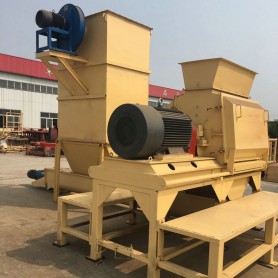
In modern industrial production, comprehensive crushers play a crucial role in the field of material handling due to their high efficiency, flexibility, and versatility. However, in order to ensure its long-term stable operation and ensure the safety of operators, a series of precautions must be strictly followed during use. This article will delve into the key precautions for the use of integrated crushers, helping users better grasp the usage and maintenance methods of this important equipment.
1. Pre startup inspection
Equipment status check: Before use, check whether all fasteners of the comprehensive crusher are tightened, whether the belt is tensioned, whether the direction of the spindle rotation conforms to the arrow direction shown on the protective cover, and whether the electrical appliances are complete.
Cleaning of the crushing chamber: Check for any hard debris such as metals in the crushing chamber of the machine. Before crushing, the purity of the materials should also be checked to prevent any metal or hard debris from entering, otherwise it may damage the cutting tools, affect the operation of the machine, and even cause accidents such as combustion.
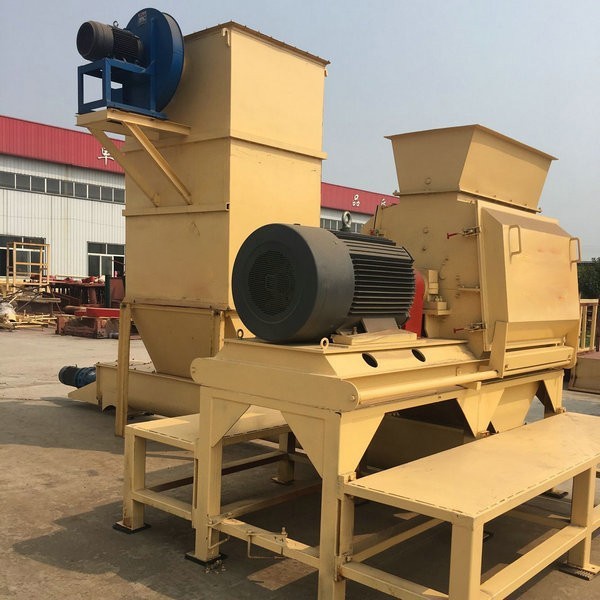
2. Operating standards
Uniform feeding: The feeding should be uniform and not too much or too little, ensuring that the motor operates at rated load.
Avoid illegal operations: It is strictly prohibited to open the operation door or coupling protective cover of the comprehensive crusher at will during the production process to prevent accidents from occurring.
Pay attention to abnormal noise: If abnormal noise, discharge blockage, bearing or motor overheating, etc. are found during the working process, the feeding should be stopped, the power should be cut off, and the rotor should be stopped for inspection and troubleshooting.
3. Shutdown and Cleaning
Preparation before shutdown: Stop feeding before shutdown. If not in use, clear the materials inside the machine.
Idle discharge: After the work is completed, it must be idle for a period of time (such as 2 minutes) to completely crush and discharge the materials inside the machine before it can be stopped.
Equipment inspection and cleaning: After shutdown, the comprehensive crusher should be inspected and any problems should be promptly resolved. At the same time, clean the magnetic impurities on the magnetic plate at the entrance of the crusher, and do a good job in equipment cleaning and environmental sanitation.
4. Maintenance and upkeep
Lubrication management: The oil cup on the machine should be regularly filled with lubricating oil to ensure normal operation of the machine. Bearings should be regularly inspected, cleaned (e.g. every 100 hours), and lubricated.
Tool and sieve inspection: Regularly check whether the tools and sieve of the comprehensive crusher are damaged, and replace them immediately if they are damaged. When replacing cutting tools, attention should be paid to the arrangement and weight balance of the hammer blades.
Cleaning work: After each shift, the inside and outside of the machine should be cleaned thoroughly, removing dust and dirt to prevent rusting, clogged sieve holes, and dirt from entering the bearings.
5. Safety precautions
Vibration treatment of the machine body: There may be slight vibrations during use, so be sure to tighten the handle connecting the hood to avoid accidents.
Emergency stop: In case of any emergency situation, such as feeling that the machine is about to lose control or seeing danger, press the emergency stop button on the machine as soon as possible.
Personal protection: Operators must wear personal protective equipment to ensure that critical areas such as hands and eyes are protected.
In summary, following the above precautions can ensure the safe and efficient operation of the comprehensive crusher, extend the service life of the equipment, and ensure the safety of the operators.


 Address:Zibo, Shandong
 WhatsApp:+8615805335335
 Wechat: +8615805335335
  E-mail:zs@sdsmachinery.com